Designing for EMI, Thermal & Lifetime: How Planar Magnetics Simplify Compliance
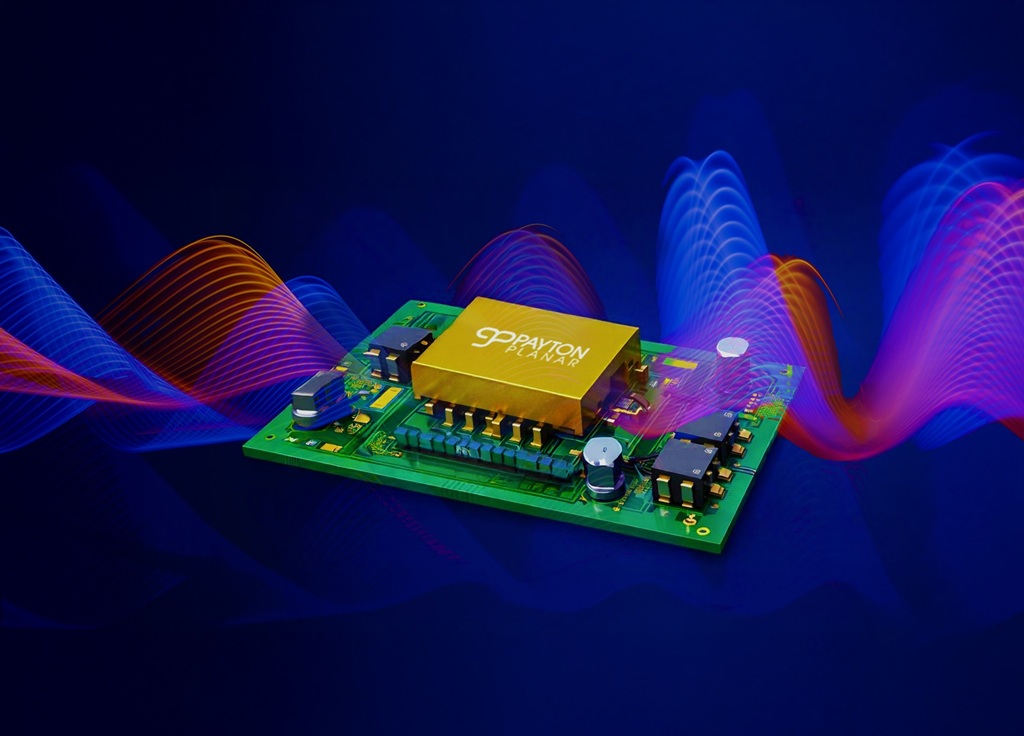 In the fast-paced world of power electronics, engineers face a trifecta of challenges: electromagnetic interference (EMI), thermal management, and ensuring long-term component lifetime. These factors aren't just technical hurdles. They're critical for regulatory compliance, system reliability, and overall product success. Whether you're designing for electric vehicles, aerospace systems, or industrial automation, getting them right can mean the difference between a seamless rollout and costly redesigns. Enter planar magnetics, a technology that's revolutionizing how we approach these issues. By leveraging flat, PCB-based designs, planar magnetics offer a streamlined path to compliance without sacrificing performance.
As a pioneer in this field with over 38 years of expertise, Payton Group specializes in custom planar solutions that address these pain points head-on. Our Advanced Planar Transformers, for instance, are engineered to deliver high power density while minimizing EMI noise, optimizing heat dissipation, and extending operational life. But how exactly do they simplify compliance? Let's break it down, exploring each aspect with practical insights and real-world considerations.
Understanding EMI Challenges in Power Design
Electromagnetic interference, or EMI, is the unwanted noise generated by switching power supplies that can disrupt nearby electronics or fail regulatory standards like FCC or CISPR. In traditional wire-wound magnetics, EMI often stems from high leakage inductance and stray capacitances caused by uneven windings and bulky cores. These parasitics create radiated and conducted emissions, complicating compliance testing and requiring additional filters or shielding, adding cost and complexity.
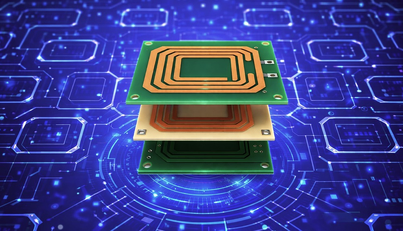
Planar magnetics flip the script. Their construction uses precisely etched copper traces on multi-layer PCBs, interleaved around a flat core. This design inherently reduces leakage inductance, often by a factor of 10 compared to traditional setups, minimizing EMI at the source. The compact, symmetrical layout also enhances shielding, cutting down on radiated noise. For engineers, this means fewer iterations in the EMI chamber and easier adherence to standards.
Take a high-frequency DC-DC converter, for example. In such applications, planar magnetics from Payton can achieve primary inductance leakage as low as 0.2%, drastically lowering EMI signatures. This not only simplifies compliance but also allows for tighter integration in noise-sensitive environments like medical devices or telecommunications equipment. By incorporating planar designs early, you can avoid the common pitfalls of retrofitting EMI suppression, saving time and resources.
Mastering Thermal Management with Planar Technology
Heat is the silent killer in power systems. Poor thermal management leads to efficiency losses, component degradation, and safety risks. Traditional magnetics, with their concentrated windings, often create hotspots that demand bulky heatsinks or forced-air cooling. In high-power scenarios, this can balloon the system's size and weight, making it unsuitable for compact applications.
Planar magnetics excel here thanks to their large surface area and short thermal paths. The PCB-based windings spread heat evenly across the component, facilitating conduction cooling when attached to a chassis or heatsink. This results in lower temperature rises, sometimes up to 50% less than wire-wound equivalents, allowing operation in higher ambient temperatures without derating. Payton's planar transformers, for instance, are designed with multi-layer PCBs that enhance thermal conductivity, ensuring uniform dissipation even at frequencies up to 5 MHz.
Consider an industrial power supply operating in a harsh factory setting. Traditional designs might struggle with thermal buildup, leading to frequent failures. Switching to Payton's planar solutions can reduce core losses and improve airflow, maintaining efficiency above 98% while keeping components cool. This not only meets thermal compliance standards like those from UL or IEC but also boosts system reliability. Engineers can further optimize by integrating thermal vias or copper pours in the PCB, turning the magnetic component into an active part of the cooling strategy.
In essence, planar magnetics transform thermal management from a challenge into an advantage, enabling slimmer profiles and higher power densities without the heat headaches.
Extending Component Lifetime and Reliability
Lifetime compliance isn't just about meeting warranties - it's about building trust in mission-critical applications. Factors like thermal stress, vibration, and electrical overstress can shorten the lifespan of magnetics, leading to premature failures and downtime. Traditional designs, with their mechanical windings and insulation layers, are prone to wear from heat cycles and environmental factors, often limiting MTBF (mean time between failures) in demanding conditions.
Planar magnetics address this through superior materials and construction. The absence of fragile wires reduces mechanical stress, while the low-profile design enhances vibration resistance: ideal for aerospace or military use. Moreover, by minimizing energy losses and operating at cooler temperatures, they experience less thermal fatigue, potentially extending lifetime by reducing degradation in insulation and core materials.
Payton Group's planar magnetics are built for longevity in harsh environments. Our components feature robust PCB laminates that withstand extreme temperatures and humidity, ensuring compliance with standards like MIL-STD-810 for environmental testing. In space applications, for example, where radiation and vacuum conditions test limits, planar designs offer lightweight reliability without the bulk of traditional alternatives. Data shows that planar transformers can achieve up to three times the power density while maintaining extended operational life, thanks to lower resistance and efficient heat management.
By focusing on these attributes, planar technology not only simplifies lifetime predictions but also supports predictive maintenance strategies, helping engineers design systems that last.
Key Advantages: A Holistic View
To appreciate how planar magnetics simplify overall compliance, consider these integrated benefits:
- EMI Reduction: Lower parasitics mean built-in noise suppression, easing FCC and EN standards compliance.
- Thermal Efficiency: Enhanced dissipation supports higher power in smaller spaces, aligning with thermal safety regs.
- Lifetime Enhancement: Robust build reduces failure rates, aiding long-term certifications like ISO 9001.
- Power Density: Up to 3x higher than traditional, without compromising on the above.
- Customizability: Payton's 100% custom approach tailors solutions to specific EMI, thermal, and lifetime needs.
This synergy means fewer trade-offs. In a recent EV charger design, incorporating Payton's planar magnetics cut EMI filters by 30%, improved thermal margins, and doubled expected lifetime, all while shrinking the footprint.
Real-World Applications: Where Planar Shines
Planar magnetics aren't theoretical, they're proven in demanding sectors. In industrial automation, Payton's solutions handle high vibrations and EMI from motors, ensuring uninterrupted operation. For aerospace, their low weight and thermal stability comply with stringent FAA regs, powering avionic systems reliably.
In electric vehicles, planar transformers enable fast chargers with minimal heat buildup, extending battery life and meeting automotive standards like AEC-Q200. Payton's track record in military electronics, with components meeting Mil-Std-981 and Mil-STD-1580 standards, demonstrates how planar designs maintain performance in extreme conditions, simplifying compliance audits and reducing lifecycle costs.
These examples underscore planar's role in turning compliance challenges into competitive edges.
Why Choose Payton Group for Your Planar Magnetics
At Payton Group, we don't just manufacture - we innovate. Our global leadership in planar technology means access to cutting-edge designs that prioritize EMI, thermal, and lifetime compliance. With facilities worldwide and a commitment to customization, we partner with you from concept to certification.
Whether you're retrofitting an existing system or starting fresh, our experts can model scenarios to optimize your design.
Conclusion: Streamlining Compliance for Future-Proof Designs
Navigating EMI, thermal, and lifetime requirements doesn't have to be daunting. Planar magnetics offer a smarter, more efficient path, simplifying compliance while enhancing performance. By reducing noise, managing heat, and boosting durability, they empower engineers to create innovative, reliable products.
Ready to simplify your next project? Explore Payton Group's planar solutions at our website and let's discuss how we can tailor them to your needs. In power electronics, compliance isn't a checkbox, it's a foundation for success.